
 Image 1 of 5
 Image 2 of 5
 Image 3 of 5
 Image 4 of 5
 Image 5 of 5
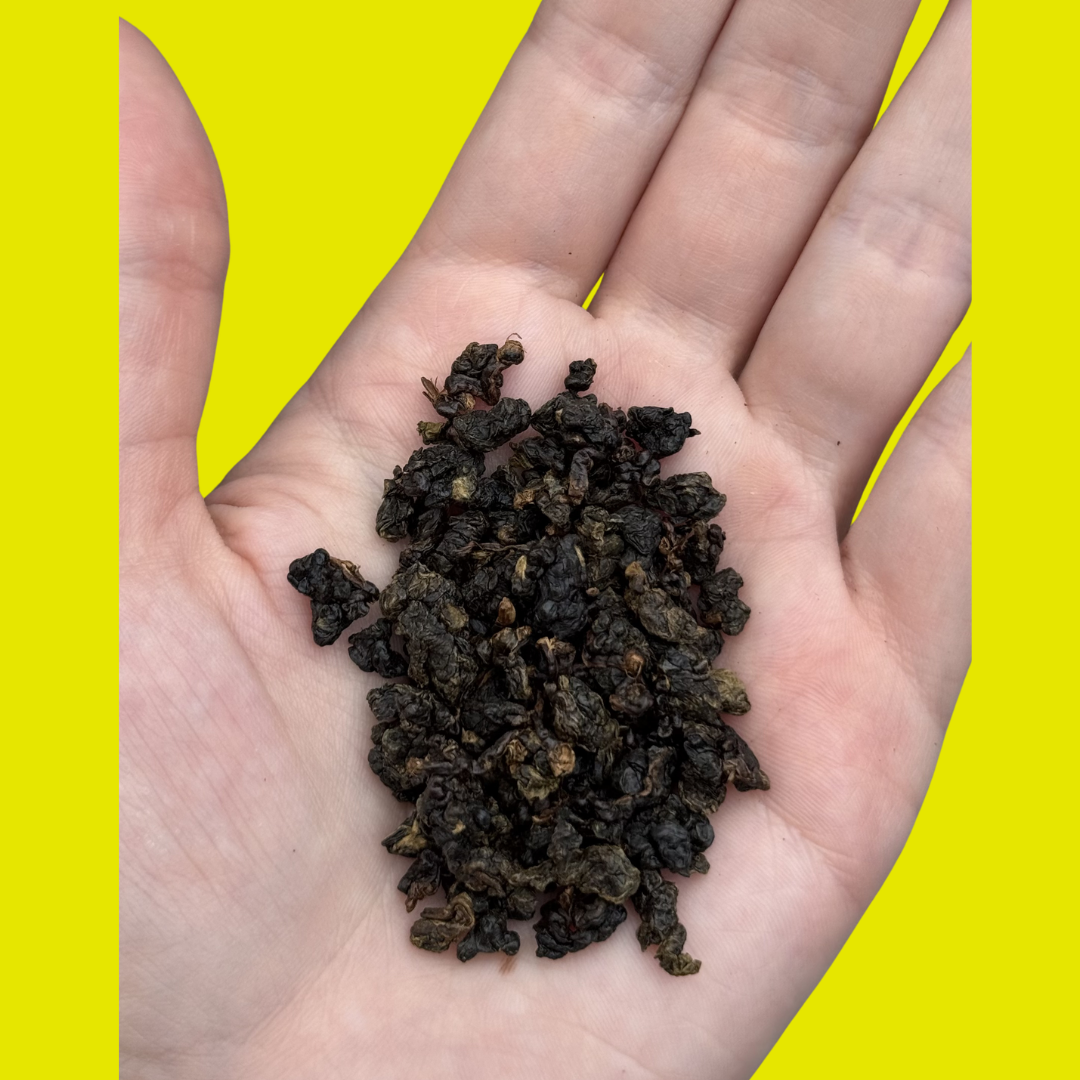
Our classic bestseller and one of my daily drinkers. Unlike the winter harvest, which skews towards thick, dark honey and chestnut notes, the spring harvest produces a slightly brighter, fruitier oolong. We roasted this batch over the course of 4 days in precise 4-hour sessions, letting the leaves cool down and rest in between each roast to slowly develop its signature sweetness. Because of that careful roasting process, the smell of the dry leaves make me think of nutty biscuits and freshly baked butter cookies. It is so rich, cozy, and approachable—honestly, this is the best style of black oolong I’ve encountered in 15 years of searching.
What to expect: Comforting butter-cookie aroma, smooth, and an effortless crowd-pleaser
I’ll let you in on a little secret: the name "Black Oolong" is actually a bit of a misnomer, as this tea is technically a black tea. While it follows most of the oolong-making process, it skips the "kill-green" step (the heat-fixation used to stop oxidation). Rather than rapidly halting the flavor development, we allow the leaves to slowly evolve over a four-day fermentation period, followed by several days of roasting and resting. This process consists of three separate four-hour sessions at low temperatures, with 20 hours of rest between each. By bypassing the kill-green step and utilizing this extended cycle, the tea achieves a more nuanced, caramelized flavor.
So why do we call it our Black Oolong? While skipping the kill-green step technically places it in the black tea family, the craftsmanship and specialized oxidation style are so deeply rooted in oolong tradition that we feel "Black Oolong" is the only name that truly reflects the skill required to make this delicious tea.